
Fashion and function intersect in unexpected places, and the indoor cycling studio is certainly one of them. What you wear to an RPM class matters more than it might initially seem, not because of aesthetics, though looking good in your kit is a legitimate bonus, but because the right apparel directly affects your comfort, performance, and safety during an intense session. In Singapore’s context, where high humidity and a culture of stylish gym-going collide, choosing the right cycling outfit requires thinking about both technical performance and wearability.
This guide covers everything a Singaporean needs to know about indoor cycling apparel, from the technical details of fabrics and footwear to practical advice on building a cycling wardrobe that performs well and holds up to Singapore’s climate.
Why Clothing Choice Matters More in Indoor Cycling Than Most Gym Activities
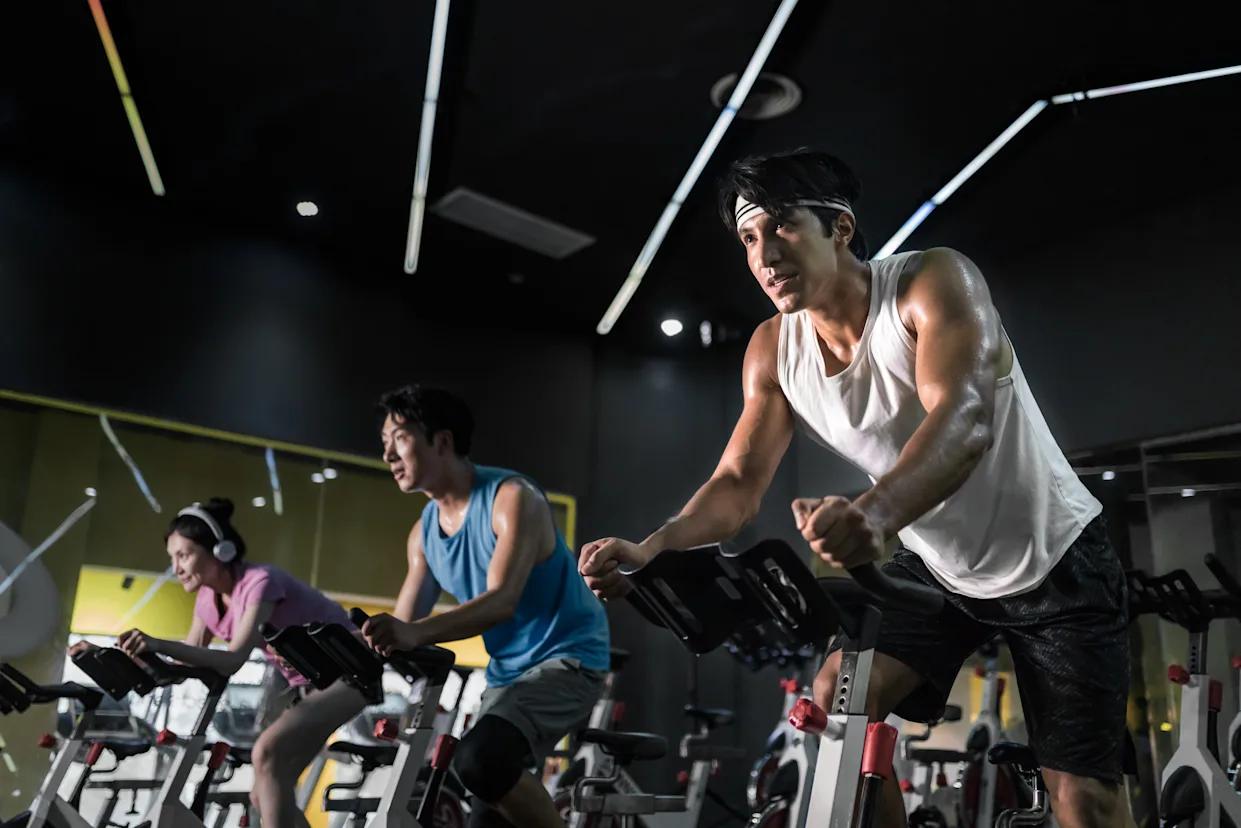
indoor cycling Singapore is a high-sweat activity. Even in a well air-conditioned studio, the intensity of a proper RPM session will produce significant perspiration throughout the body, including areas that typical gym wear may not account for, such as the inner thighs, the lower back, and the area of contact with the saddle. Clothing that is poorly suited to high-sweat, high-friction cycling conditions can cause chafing, skin irritation, discomfort, and distraction that genuinely impairs your ability to focus and perform.
The stakes are higher than in a gentle yoga class or a light weights session. Getting apparel right from the start saves you from a genuinely unpleasant first experience and sets you up for consistent, comfortable training.
The Most Important Item: Padded Cycling Shorts
If you invest in only one piece of cycling-specific apparel, make it padded cycling shorts. Conventional gym shorts or leggings provide no protection against the saddle pressure that builds during a 45 to 60 minute cycling session. The inner thigh and sit bone contact points experience friction and compression that can cause soreness, skin abrasion, and in extreme cases small pressure injuries after repeated sessions.
Cycling-specific shorts contain a chamois, a technical foam and fabric pad built into the seat and inner thigh area, that cushions these contact points and reduces friction significantly. The difference between riding in padded shorts and riding in standard gym wear is immediately noticeable and becomes increasingly significant as session duration and frequency increase.
Choosing Between Bib Shorts and Regular Padded Shorts
Padded cycling shorts come in two main styles. Regular padded shorts have an elasticated waistband and look similar to compression shorts. Bib shorts have shoulder straps that hold them up without a waistband, which many cyclists prefer for comfort during extended riding because they eliminate any waistband pressure. For indoor cycling classes, regular padded shorts are the more practical choice since they are easier to remove quickly in the changing room.
Length and Coverage
Indoor cycling shorts typically come in three-quarter or full-length options as well as shorter five-inch styles. In Singapore’s air-conditioned studio environment, any length is comfortable. The key consideration is the length of the padded chamois, which should extend fully from the seat to the mid-inner thigh for complete protection. Very short shorts with minimal padding may look stylish but provide insufficient coverage for high-frequency cyclists.
Tops: Moisture Management in Singapore’s Humidity
The technical requirements of a cycling top centre on moisture management. In Singapore’s humidity, even in an air-conditioned studio, perspiration rates during intense cycling are high. The primary function of your cycling top is to move moisture away from the skin surface, where it causes chafing and temperature regulation problems, and to the outer fabric surface where it can evaporate.
This property is called moisture wicking, and it is achieved through synthetic fabrics such as polyester, nylon, and technical blends that are hydrophobic at the fibre level. These fabrics pull sweat away from the skin and disperse it across the fabric surface for faster evaporation.
What to Avoid
Cotton is the most common material to avoid. Despite its comfort in low-activity situations, cotton absorbs moisture and holds it against the skin, becoming heavy, sticky, and cold as sweat saturates the fabric. Wearing a cotton t-shirt to an intense cycling class typically results in discomfort by the fifteen-minute mark and genuine misery by the end of the session. Heavy cotton gym shirts or oversized tees are particularly poor choices.
Also avoid overly loose tops that can catch on the handlebars or billow during movement, creating both a distraction and a minor safety consideration.
Ideal Top Styles for Indoor Cycling
The most popular and functional top styles for indoor cycling include:
- Fitted technical t-shirts in moisture-wicking polyester or nylon blends
- Cycling-specific jersey tops, which are cut longer at the back to cover the lower back when leaning forward in the cycling position
- Sports crop tops or bralettes for women who prefer minimal coverage in the upper body
- Compression tops, which provide muscle support and excellent moisture management simultaneously
Footwear: The Decision That Has the Biggest Performance Impact
Footwear is arguably the single most impactful apparel decision for indoor cycling after the chamois shorts. The choice essentially comes down to two options: dedicated cycling shoes with clip-in cleats, or standard athletic trainers worn with standard pedals.
Clip-in Cycling Shoes
Professional indoor cycling instructors and serious enthusiasts virtually universally recommend clip-in shoes. The reason is biomechanical efficiency. When your shoe is clipped into a compatible pedal system, force can be applied throughout the entire pedal revolution, not just on the downward power phase but also through the upward stroke as the hamstrings and hip flexors pull the pedal back up. This pedal stroke completeness can improve power output by ten to fifteen percent compared to standard pedals.
Clip-in shoes are also more stable on the pedal, reducing the lateral foot movement that can cause knee discomfort during high-cadence sessions. Many dedicated cyclists who switch from trainers to clip-in shoes report a marked reduction in knee discomfort.
In Singapore, cycling-specific shoes are widely available at sports retailers and online. Most indoor cycling studios also offer shoe rentals for participants who want to try them before committing to a purchase.
Standard Athletic Trainers
If you are new to indoor cycling or prefer the flexibility of not purchasing dedicated footwear, athletic trainers are a perfectly workable option for most bikes that have cage-style pedals or dual-sided pedals. Choose trainers with a relatively stiff sole, as very cushioned running shoes with flexible soles transfer power less efficiently and can feel unstable during high-cadence pedalling. Flat-soled cross-training shoes or minimalist trainers work better than thick running shoes.
Accessories Worth Considering
Gloves
Cycling gloves with padded palms reduce handlebar pressure on the hands and improve grip when palms become sweaty. They are optional for most participants but appreciated by those who attend multiple sessions per week.
Sweat Towel
A compact, fast-drying microfibre towel is essential for indoor cycling in Singapore. High-intensity sessions produce enough perspiration that a towel is needed for regular wipe-downs. Most studios require participants to bring their own towel or offer them for hire.
Heart Rate Monitor Strap
If you are investing in performance tracking, a chest strap heart rate monitor worn under your cycling top provides accurate real-time heart rate data throughout your session.
Building a Cycling Wardrobe on a Singapore Budget
Quality cycling-specific apparel does not have to be expensive. Singapore has a well-developed online retail ecosystem through platforms like Shopee, Zalora, and Lazada where technical cycling shorts and moisture-wicking tops from mid-tier brands are available at accessible price points. Dedicated sports retail stores in major malls also regularly carry functional options at various price points.
True Fitness Singapore members who are new to indoor cycling often find that a single pair of padded shorts, a technical moisture-wicking top, and a pair of basic clip-in shoes or stiff-soled trainers is all they need to participate comfortably and effectively from day one.
As your commitment to indoor cycling deepens, gradually adding higher-quality pieces such as a second pair of shorts to allow for washing frequency and a better quality shoe upgrades your experience meaningfully without requiring a large initial outlay.
FAQ
Q. Can I wear running tights to indoor cycling instead of specific cycling shorts?
A. Running tights can be worn for casual or beginner cycling sessions, but they do not include a chamois and therefore provide no saddle protection. Regular attendees who wear running tights typically begin experiencing saddle discomfort after several sessions. You can purchase padded liner shorts to wear underneath standard tights as a compromise solution.
Q. Do I need to wear a sports bra specifically designed for cycling?
A. Any high-impact sports bra designed for running or HIIT activities is appropriate for indoor cycling. Cycling does not involve the vertical impact of running so the support requirements are moderate rather than maximum. Choose a bra with moisture-wicking fabric construction and secure underband for comfort during the session.
Q. Is it acceptable to cycle barefoot or in socks on the studio’s spare bikes?
A. Barefoot cycling on pedals is not safe and is not permitted in any professional studio environment. Pedal surfaces are textured or equipped with clips and can cause injury to unprotected feet. Always wear footwear of some kind, even if it is just standard athletic trainers.
Q. How often should I replace padded cycling shorts?
A. The chamois in padded shorts loses compression and cushioning effectiveness with repeated washing and use. For regular cyclists attending three or more sessions per week, replacing padded shorts every six to twelve months maintains the protective function. Visible thinning of the chamois material or a noticeable reduction in cushioning feel are reliable indicators that replacement is needed.
Q. Are there indoor cycling apparel brands popular in Singapore that are good quality without being overpriced?
A. Several mid-range international brands produce excellent technical cycling apparel available in Singapore without premium pricing. Local and regional sportswear brands also offer functional cycling-specific options at competitive price points through local retail channels. The key specifications to look for regardless of brand are a multi-density chamois in the shorts, moisture-wicking fabric in the tops, and a UPF-rated or antimicrobial treatment if you are sensitive to skin irritation from synthetic fabrics.