
For decades, the fashion industry operated under an unwritten rule that personal style required a degree of physical sacrifice. Tailored garments were often stiff, high-fashion footwear was notoriously impractical, and structured silhouettes demanded strict posture. Today, that paradigm has fundamentally shifted. Modern wardrobes are defined by a harmonious blend where physical ease and visual sophistication exist side by side.
The intersection of comfort and style is no longer a temporary compromise driven by remote work or casual weekends. It has evolved into the defining philosophy of contemporary design. Today, looking polished and feeling physically relaxed are complementary goals achieved through intelligent textile innovation, thoughtful tailoring, and versatile wardrobe building.
The Evolution of Practical Dressing
To understand the current fusion of comfort and style, it helps to examine how consumer expectations have changed over recent years. Fast-paced modern routines require clothing that seamlessly transitions across multiple environments, from professional meetings and casual errands to evening social gatherings.
Historically, casual wear and formal attire occupied strictly segregated categories. Sweatpants and athletic gear belonged in private spaces or fitness centers, while tailored suits and structured dresses were reserved for public life. The rise of hybrid lifestyle patterns shattered these rigid boundaries. Consumers began demanding clothing that could perform well under various conditions without sacrificing a refined aesthetic appearance.
This cultural shift gave birth to refined athleisure, relaxed tailoring, and elevated loungewear. Rather than choosing between restrictive formalwear and overly casual athletic gear, designers began applying high-end garment construction to flexible, high-performance materials. The result is a modern aesthetic that values human movement as much as visual impact.
Key Pillars of Comfort-Focused Fashion
Blending functionality with elegance relies on several structural and stylistic choices. The modern wardrobe achieves balance by focusing on soft materials, adaptive silhouettes, and deliberate layering techniques.
Advanced Textile Innovation
Fabric selection is the primary foundation of comfortable style. Traditional rigid textiles are increasingly replaced or enhanced by flexible fibers that offer breathability, softness, and resilience.
-
Organic cotton and bamboo blends provide natural breathability alongside a soft touch against the skin.
-
Merino wool and cashmere deliver lightweight thermal regulation without adding unnecessary bulk to layered outfits.
-
High-grade technical synthetics incorporate four-way stretch, moisture-wicking properties, and wrinkle resistance into everyday wear.
-
Silk and Tencel offer fluid drape and subtle luster while maintaining a weightless feel throughout the day.
Soft Tailoring and Fluid Silhouettes
The concept of tailoring has been completely re-imagined. Stiff shoulder pads, tight waistbands, and restrictive seams have given way to unstructured blazers, wide-leg trousers, and fluid coats. Soft tailoring retains sharp lines and clean shoulders while using lightweight interlinings and elasticated waist panels that move naturally with the body.
Practical Footwear as a Fashion Statement
Perhaps no category illustrates this shift more clearly than footwear. High heels and rigid leather oxfords are no longer mandatory requirements for formal or professional dressing. Sleek minimalist leather sneakers, tailored loafers, and supportive ankle boots now complement suits, dresses, and casual denim alike.
Strategic Styling Techniques for Everyday Polish
Integrating comfort into daily outfits requires an intentional approach to balance, proportion, and texture. Without structured guidelines, casual pieces can easily look unstructured or unkempt. The goal is to curate looks that appear deliberate, cohesive, and effortlessly refined.
Master the Art of High-Low Pairing
High-low styling involves pairing elevated, structured pieces with relaxed, casual staples. This contrast creates a dynamic look that feels both accessible and sophisticated.
-
Combine a sharp, double-breasted blazer with a premium cotton tee and relaxed-fit denim.
-
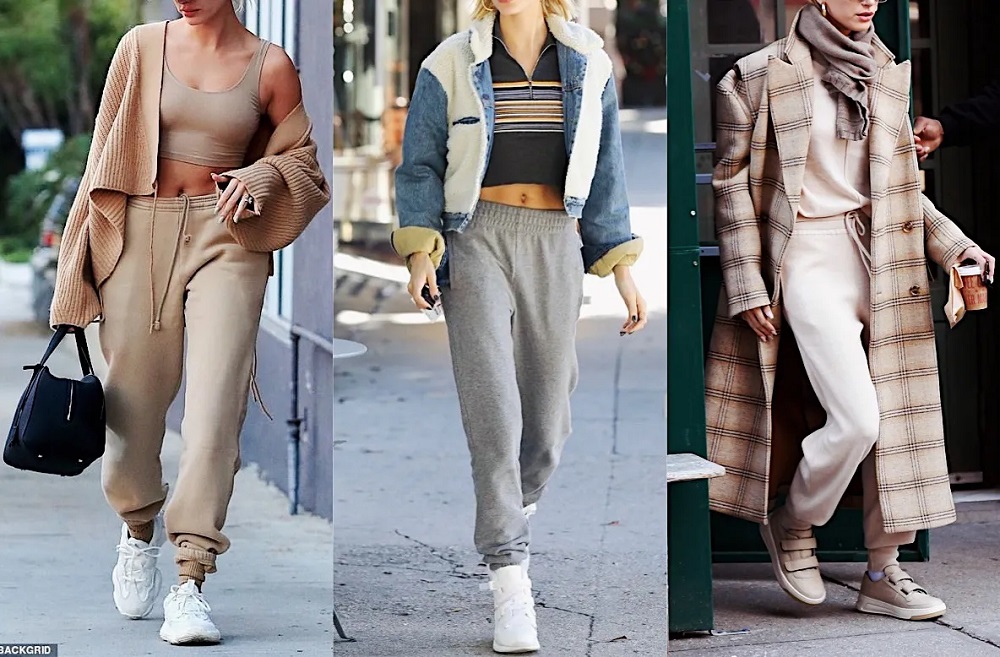
Wear a structured trench coat over a high-quality knit matching set.
-
Pair a pleated midi skirt or tailored trousers with minimalist leather sneakers.
-
Style a plush cashmere sweater with wide-leg utility trousers and structured accessories.
Focus on Monochromatic and Tonal Palettes
Dressing in a single color family instantly elevates simple, comfortable garments into an intentional outfit. Neutral shades like taupe, cream, olive, slate gray, and rich camel create an expensive, streamlined visual effect. Tonal dressing draws attention to garment drape and texture rather than complex patterns, making even the softest knits appear tailored and complete.
Leverage Structure Through Strategic Accessories
When clothing silhouettes are loose and relaxed, accessories act as architectural anchors. A structured leather handbag, a sleek belt, or minimalist metal jewelry adds immediate definition to an otherwise fluid outfit. Accessories provide the necessary visual contrast to ensure that relaxed fits look intentionally styled rather than casual by default.
The Psychological Impact of Effortless Style
The benefits of comfort-centered dressing extend far beyond physical ease. Psychological research into embodied cognition suggests that the clothing we wear directly influences our mental state, confidence levels, and cognitive focus.
When clothing fits uncomfortably, the body experiences continuous low-grade physical stress. Tight waistbands, restrictive armholes, and painful footwear serve as constant distractions that drain mental energy throughout the day. Conversely, wearing soft, well-fitted, and unrestricted clothing allows individuals to focus entirely on their tasks, interactions, and immediate environment.
Furthermore, knowing that an outfit looks well-curated provides a distinct boost in personal confidence. The intersection of comfort and style eliminates the internal friction of having to choose between physical well-being and personal presentation. When individuals feel physically at ease and aesthetically pleased with their appearance, they project authenticity, ease, and quiet authority.
Building a Sustainable, Adaptable Wardrobe
A comfort-first approach to fashion aligns naturally with sustainable shopping habits. Because comfort-focused trends rely on high-quality fabrics, classic cuts, and versatile styling, they resist the short life cycles of fast fashion trends.
Investing in versatile core pieces allows for a modular wardrobe where every item can be mixed and matched effortlessly. A well-constructed pair of wide-leg wool trousers, a breathable cotton button-down shirt, a cashmere sweater, and a soft blazer can generate dozens of distinct outfit combinations suitable for virtually any context.
By prioritizing durability, tactile comfort, and timeless silhouettes over fleeting viral aesthetics, consumers build wardrobes that serve them reliably over many years. This intentional approach reduces fashion waste while ensuring that getting dressed each morning remains a simple, enjoyable process.
Frequently Asked Questions
Can relaxed tailoring still look professional enough for traditional office environments?
Yes, relaxed tailoring looks entirely professional when executed with structured fabrics and neat proportions. To maintain a sharp corporate appearance, opt for an unstructured blazer paired with tailored wide-leg trousers in a high-quality wool blend, and ensure garments are neatly pressed and well-fitted around the shoulders.
How can I make oversized or loose clothing look intentional rather than frumpish?
The key to styling oversized pieces is balancing proportions. Pair loose bottoms with a more fitted top, or layer an oversized blazer over a streamlined base. Exposing slimmer parts of the body, such as the wrists or ankles, and adding structured accessories like a leather belt or tailored shoes also prevents the silhouette from overwhelming your frame.
What are the best fabrics to look for when shopping for comfortable yet elevated clothing?
Focus on natural fibers and high-end technical blends. Cashmere, fine merino wool, Supima cotton, silk, and linen-cotton blends offer unmatched softness and breathability. For added flexibility and wrinkle resistance, look for garments containing small percentages of elastane, Tencel, or high-performance modal.
Are athletic sneakers appropriate for smart-casual dress codes?
Minimalist leather or suede sneakers in neutral colors like white, beige, or black are widely accepted in smart-casual settings. To keep the look sophisticated, ensure the sneakers are clean and free of scuffs, and avoid wearing aggressive running shoes with technical mesh unless the overall dress code is explicitly casual.
How do I transition a comfort-focused outfit from day to night?
You can transition a daytime look by updating your accessories and layering pieces. Swap a casual tote bag for a structured clutch, replace casual sneakers with refined loafers or low block heels, and add statement jewelry or bold lipstick to elevate soft knits or tailored separates for the evening.
What role does color play in making comfortable clothes look more expensive?
Neutral, muted, and tonal color schemes naturally convey sophistication and quiet luxury. Shades like cream, camel, charcoal, soft olive, and navy mask minor fabric imperfections and make soft, unstructured garments appear cohesive, polished, and high-end.
How can I maintain the shape and softness of my comfort-focused garments over time?
To preserve delicate knits and soft textiles, wash them in cold water on gentle cycles using mild detergents, or hand-wash when necessary. Avoid using high heat in the dryer, as heat breaks down elastic fibers and causes natural fabrics to shrink or pill. Air-drying garments flat helps preserve both their physical shape and textural softness.