
Yoga clothing is often marketed through colour, silhouette and trend, but construction details determine how a garment behaves in practice. Fabric that feels soft in a shop may become heavy with sweat, while a fashionable seam can press into the skin during kneeling or floor work.
For people attending yoga classes Singapore, humidity, transport and class intensity make comfort especially practical. Fabric weight, stretch recovery, seam placement and coverage influence whether clothing supports movement or demands constant adjustment.
Fabric Weight Changes the Experience
Light fabrics can feel cooler and dry quickly, which is useful in humid conditions. Very thin material, however, may become transparent when stretched or show moisture quickly.
Heavier fabric often provides coverage and a secure feel but may retain more heat and take longer to dry. The best weight depends on class temperature, personal preference and how much compression the wearer enjoys.
Fibre Content Does Not Tell the Whole Story
Two garments with similar fibre percentages can perform differently because yarn, knit structure, finishing and fabric density also matter. A label alone cannot predict comfort.
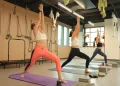
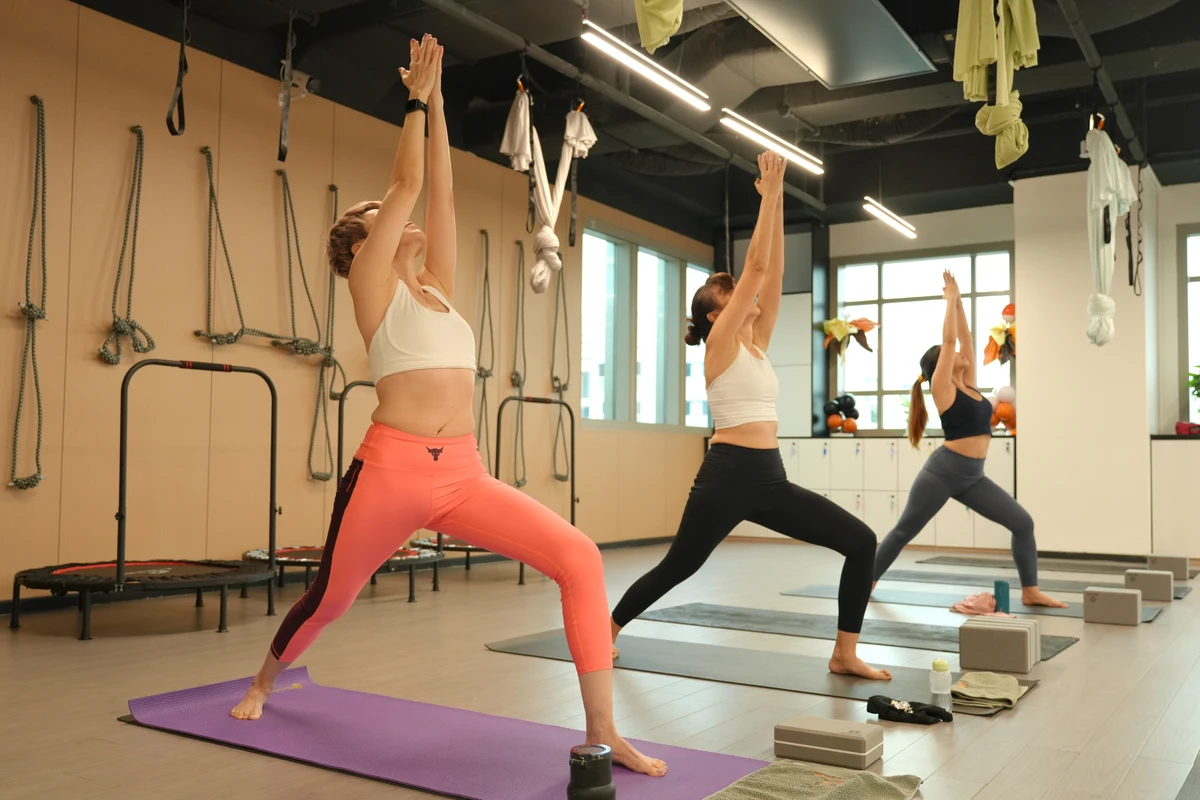
Touching and stretching the fabric provides some information, but movement testing is more useful. The garment should be assessed in a squat, forward fold and overhead reach, not only while standing.
Stretch Recovery Prevents Sagging
Fabric needs to extend with movement and then return to shape. Poor recovery can lead to loose knees, a sliding waistband or fabric gathering after several poses.
Four-way stretch may support multi-directional movement, but the marketing term does not guarantee durability. Repeated wear and washing reveal whether the garment maintains its structure.
Seams Should Follow Movement Zones
Seam placement affects pressure and friction. A thick seam directly under the knee may become uncomfortable during kneeling, while one along a high-friction inner thigh can rub during repeated standing transitions.
Flat seams may reduce bulk, although their quality still varies. The wearer should run a hand along the inside and check for rough thread, hard intersections or labels that could irritate damp skin.
Waistband Design Affects Breathing and Folding
A waistband needs enough hold to remain secure without feeling restrictive. Very stiff compression may become uncomfortable during deep flexion or seated breathing.
High-rise designs offer coverage for many wearers, but they can roll when torso length and waistband shape do not match. Drawcords improve security in active classes but may press into the abdomen during prone poses.
The Gusset Deserves Attention
A gusset is a fabric panel added where several seams would otherwise meet. In leggings or shorts, it can reduce a bulky central seam and allow more movement.
Its shape, breathability and stitching affect comfort. A poorly positioned gusset may still bunch or create pressure. Turning the garment inside out makes construction easier to inspect.
Opacity Should Be Tested in Motion
Fabric may look opaque under fitting-room lighting but become sheer when stretched. A squat or wide-legged fold can reveal coverage more accurately.
Lighting conditions differ, so testing near natural light is useful. Pattern and colour can influence visibility, but they should not be relied upon to compensate for weak fabric construction.
Moisture Management Is Not the Same as Dryness
Moisture-wicking fabrics move sweat across the material so it can evaporate. In high humidity, evaporation may remain slow, meaning the garment can still feel damp.
The fabric should not become excessively heavy or cling in distracting ways. Breathability and ventilation from garment design also contribute. No textile can eliminate the effects of a hot, humid room.
Cotton Has Context-Specific Strengths
Cotton feels soft and can suit gentle, non-heated classes. It also absorbs moisture and may remain wet longer during vigorous practice.
Blends can improve stretch and drying while retaining a familiar feel. The right choice depends on sweat rate and class format rather than a rule that natural or synthetic fabric is always superior.
Tops Need Secure but Flexible Coverage
A loose top may feel airy but shift during inversions or folds. A close-fitting top stays in place but can feel restrictive if armholes, straps or underbands are poorly designed.
Wearers can test an overhead reach, downward-facing position and gentle twist. Necklines and hems should remain comfortable without constant pulling. Personal coverage preferences deserve priority over trend.
Built-In Support Must Match Movement
Some tops include shelf bras or cups. These features can simplify dressing, but fixed cup placement and underband tension do not suit every body.
Support needs also vary by class intensity and individual comfort. Strong compression is not automatically necessary for yoga, yet active flows may require more security than restorative practice.
Shorts Need Friction and Coverage Testing
Shorts can improve ventilation but may ride up during lunges or seated positions. Inner-leg length, hem construction and fabric grip affect stability.
Lined or layered designs offer coverage, though extra fabric may trap heat. A movement test should include wide stances and floor transitions. Standing fit alone is insufficient.
Humidity Increases Chafing Risk
Sweat, repeated movement and rough seams can irritate the skin. Areas around underarms, waistbands and inner thighs may be particularly sensitive.
Smooth construction and a suitable fit reduce friction. Clothing should be changed and washed after heavy sweating. Persistent skin irritation may require healthcare advice rather than repeated product changes.
Colour and Pattern Affect Practical Wear
Dark colours may make sweat less visible but can feel warmer in direct sun during the journey. Pale fabrics may show moisture or become more transparent when wet.
Patterns can disguise small marks and add personal style. The decision is not purely technical. Feeling comfortable with appearance can reduce self-consciousness and support attention during class.
Travel to the Studio Matters
Singapore practitioners may walk, use public transport or move between air-conditioning and outdoor humidity. Clothing needs to remain comfortable before and after the session, not only on the mat.
A lightweight layer can manage cooler indoor spaces, while a change of top may improve the journey home after a sweaty class. Pockets should secure essentials without creating pressure in poses.
Care Instructions Affect Longevity
Heat, harsh detergent and fabric softener can affect elasticity or moisture performance in some garments. Manufacturer instructions provide the safest starting point.
Air drying may protect stretch fibres and reduce energy use, but dense waistbands need enough airflow to dry fully in humid weather. Storing damp clothing encourages odour and fabric deterioration.
Comfort Supports Attention, Not Performance Status
Expensive activewear is not required for good yoga. A well-fitting, affordable garment can perform better than a premium item chosen mainly for branding.
When preparing for a class at Yoga Edition, practitioners can match clothing to the listed format and temperature. Heated or active sessions may favour quick-drying construction, while slower classes allow more flexibility.
Buy According to Repeated Use
The most useful garment is one that survives movement, washing and ordinary transport without distracting the wearer. Fabric weight and seam design should be judged by the classes actually attended.
Comfort allows attention to remain on breathing, instruction and movement. Fashion can still express personality, but construction determines whether the clothing earns a regular place in the yoga bag.
Frequently Asked Questions
What fabric weight is best for yoga in Singapore?
There is no universal weight. Lightweight fabric may feel cooler, while medium-weight material can provide coverage and support. Class heat and sweat rate matter.
How can I test leggings for transparency?
Use bright or natural light and test a squat, wide stance and forward fold. Fabric should be assessed while stretched.
Are seamless leggings always more comfortable?
Not necessarily. They reduce some seam pressure, but fabric texture, waistband and fit still affect comfort.
Is cotton suitable for hot yoga?
Cotton absorbs sweat and may stay wet. Some people prefer quicker-drying blends for heated practice.
Why do waistbands roll during class?
Torso shape, waistband height, stiffness, sizing and movement can contribute. A different rise or construction may fit better.
How many yoga outfits are necessary?
Enough to support the person’s class and laundry routine. A small rotation of reliable garments is usually more useful than many specialised outfits.