
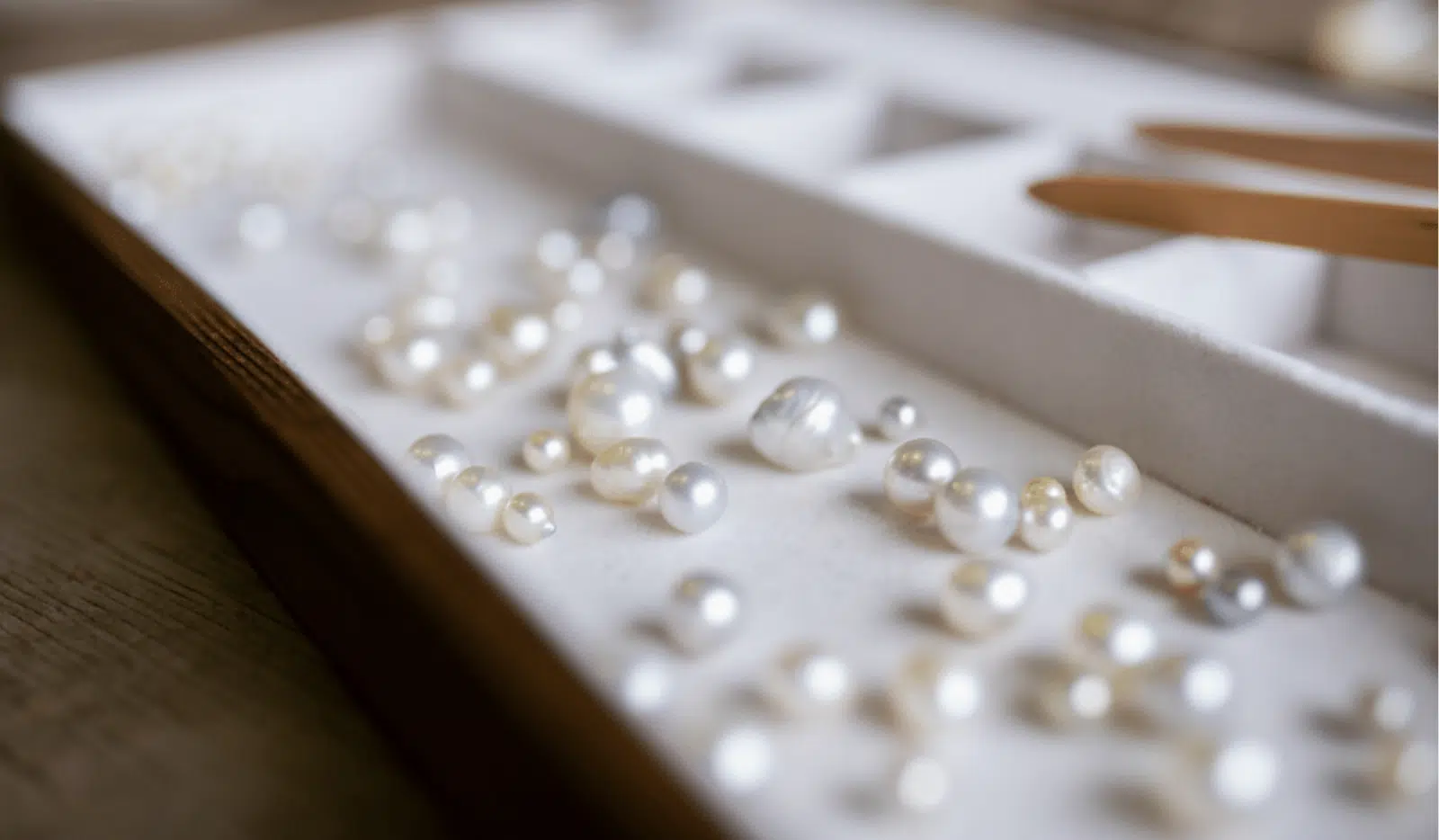

Pearls have fascinated jewelry lovers for centuries, symbolizing elegance, purity, and sophistication. However, not all pearls are created equal. Behind their beauty lies a meticulous grading process that determines their value and appeal. Let’s explore what it takes for a pearl to stand out, with a particular focus on how Thailand has become an important hub in the world of high-quality pearls.
The Essence of Pearl Grading
Grading a pearl involves considering several factors that influence its overall quality. These factors are not just about aesthetics but also about rarity, durability, and desirability. Here are the main elements that contribute to a high quality Thailand pearl grade:
- Luster
Luster refers to the reflective quality of a pearl’s surface. High-quality pearls exhibit a radiant shine, making them appear almost glowing. The clearer and sharper the reflection on the pearl’s surface, the better its luster.
- Surface Quality
The smoothness and cleanliness of a pearl’s surface significantly impact its grade. Pearls with few or no blemishes, such as pits or spots, hold higher value. Thai pearl collectors are known for sourcing pearls with impeccable surface quality.
- Shape
While perfectly round pearls remain the most sought-after, other shapes like oval, drop, or baroque pearls have their own charm. Baroque pearls, in particular, are popular in many modern designs for their unique, organic forms.
- Color
Pearls come in a variety of colors, from classic white and cream to golden, pink, and even black. The choice of color often depends on personal preference, but pearls with deep, vibrant hues tend to attract higher demand. Thailand, due to its tropical waters, is known for pearls with stunningly rich tones.
- Size
Larger pearls are generally considered more valuable. However, size alone doesn’t guarantee quality; it must also have good luster, shape, and surface characteristics to command a premium grade.
- Nacre Thickness
A thick nacre layer ensures a pearl’s durability and enhances its luster. Cultured pearls, particularly those harvested in Thailand, are often appreciated for their consistent nacre quality.
Thailand’s Role in the Pearl Industry
Thailand’s fertile waters and warm climate contribute significantly to producing exceptional pearls. The country’s proximity to pearl farms makes it an ideal location for sourcing and grading some of the finest gems. Specifically, the high-quality Thailand pearl is highly valued for its luster, smoothness, and rich colors. Whether cultivated in the Andaman Sea or imported for grading, pearls that pass through Thailand often carry an air of excellence.
Furthermore, Thailand has established itself as a thriving center for pearl craftsmanship. Artisans in the region excel in turning raw, graded pearls into breathtaking pieces of jewelry that highlight the gem’s natural beauty. This tradition cements the country’s reputation as a treasure trove for pearl aficionados.
Why Grading Matters
The grading process helps differentiate between ordinary pearls and those that are truly exceptional. For jewelry enthusiasts, understanding the details that make a pearl stand out ensures they make informed choices when purchasing. Thailand, with its tradition of cultivating and curating pearls, has become a trusted name in delivering some of the most sought-after pieces.
Whether you’re interested in pearls for their aesthetic value or their history, remember that proper grading is what elevates the gem from beautiful to extraordinary.