

Introduction: A Symbol Beyond Ornamentation
Jewelry has long transcended its role as mere decoration. From ancient talismans to modern luxury statements, it has been a symbol of power, love, identity, spirituality, and status. Adorning the human body with metals, stones, and beads is a tradition as old as civilization itself. Whether understated or opulent, jewelry holds a unique ability to capture moments, convey emotion, and express individuality—serving as both personal treasure and cultural artifact.
Historical Significance of Jewelry
Jewelry’s history is as rich and diverse as the societies that crafted it. It has always reflected the values, beliefs, and aesthetics of different cultures and eras.
Key moments in jewelry history include:
-
Ancient Egypt: Gold necklaces, lapis lazuli amulets, and scarab rings were worn not just for beauty but also for protection and spiritual significance. Pharaohs were often buried with ornate pieces believed to assist them in the afterlife.
-
Classical Greece and Rome: Jewelry symbolized civic status and was frequently inspired by mythology, using motifs like laurel wreaths and gods.
-
Medieval Europe: Religious symbols dominated, with crosses and relics fashioned into ornate brooches and rings. Precious stones were believed to possess healing and mystical powers.
-
Indian Subcontinent: India’s jewelry heritage spans thousands of years, with intricate pieces marking every phase of life—from birth to marriage. Gold, in particular, symbolizes purity and prosperity.
Each civilization used jewelry as a form of storytelling—capturing lineage, spirituality, and social identity in wearable form.
Modern Jewelry: A Blend of Art and Expression
In the contemporary world, jewelry has expanded into a realm where fashion, emotion, and craftsmanship intersect. No longer solely tied to tradition or formality, modern jewelry is as diverse as the people who wear it.
Key characteristics of modern jewelry include:
-
Minimalism vs. Maximalism: From dainty gold chains to bold statement necklaces, the spectrum of style caters to all sensibilities.
-
Customization: Initial pendants, birthstone rings, and bespoke designs allow for deep personalization.
-
Symbolism: Lockets with photos, infinity symbols, and engraved messages make jewelry emotionally resonant.
-
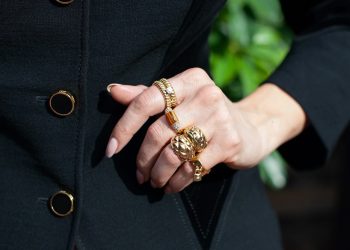
Everyday Elegance: Jewelry is no longer reserved for special occasions—stacked rings, layered necklaces, and mixed metals are common in day-to-day fashion.
Designers today blend old-world techniques with contemporary aesthetics, creating pieces that are both trend-aware and timeless.
The Emotional and Cultural Value of Jewelry
Jewelry carries an emotional charge that few other possessions can match. It is often tied to significant life events and personal milestones, serving as a tangible reminder of love, memory, and heritage.
Jewelry’s emotional dimensions include:
-
Heirlooms: Passed from one generation to the next, heirloom jewelry holds both sentimental and historical value.
-
Gifts of Affection: Engagement rings, anniversary bracelets, and friendship necklaces often symbolize lifelong bonds.
-
Spiritual Significance: In many cultures, jewelry serves religious or ritualistic functions—think rosaries, mangalsutras, or Buddhist mala beads.
Moreover, jewelry has the power to elevate self-perception. A single elegant piece can boost confidence, evoke nostalgia, or become a conversation starter.
Materials and Craftsmanship: The Essence of Luxury
What distinguishes fine jewelry from costume accessories is the artistry behind its creation. The choice of material plays a central role in both value and meaning.
Popular materials and their significance:
-
Gold: Timeless and universally cherished, gold symbolizes wealth, purity, and endurance.
-
Silver: Sleek and versatile, silver is favored for both contemporary and traditional designs.
-
Diamonds: Associated with everlasting love and clarity, diamonds remain the most coveted gemstone worldwide.
-
Gemstones: Rubies, sapphires, emeralds, opals, and more each carry unique lore and color symbolism.
Expert craftsmanship—from stone setting and engraving to filigree and enameling—elevates these materials into extraordinary art forms.
Sustainable and Ethical Jewelry: A Rising Priority
With increased awareness around ethical sourcing and environmental impact, many consumers are now seeking sustainable jewelry options.
Trends in ethical jewelry include:
-
Lab-Grown Diamonds: Chemically identical to natural ones but free from mining-related concerns.
-
Recycled Metals: Using reclaimed gold and silver reduces environmental footprint.
-
Fair Trade Practices: Supporting artisans who receive fair wages and work in safe conditions.
Brands that prioritize transparency and responsibility are gaining favor among conscious buyers who want their adornments to reflect not only style but also values.
Conclusion: Jewelry as a Reflection of the Human Spirit
Jewelry is more than just sparkle—it is history, emotion, craftsmanship, and identity woven into metal and stone. It celebrates who we are, honors where we’ve come from, and often becomes a part of how we are remembered. As it evolves with time and technology, one thing remains constant: our human desire to adorn, express, and commemorate through beautiful objects. Jewelry will forever remain a cherished symbol of the elegance, meaning, and connection we seek in our lives.