
In an era dominated by one-click digital storefronts and algorithmic recommendations, physical retail faces a profound existential question: Why should a consumer leave their home to buy something they could have delivered to their doorstep in a matter of hours?
The answer lies in an experience that no screen can replicate. Modern boutique retail has evolved far beyond the mere exchange of currency for goods. It has transformed into an immersive canvas for sensory storytelling. While mass-market big-box stores focus on efficiency and digital platforms optimize for speed, independent boutique retailers are succeeding by leaning into human perception. By thoughtfully weaving sight, sound, smell, touch, and taste into their environments, boutique brands create narrative landscapes where products become tangible memories and customers become active participants in a brand’s living world.
Defining Sensory Storytelling in Brick-and-Mortar Retail
Sensory storytelling is the deliberate design of a physical space to communicate a brand narrative through multi-sensory stimuli. Rather than relying solely on traditional marketing channels like print ads or digital banners, sensory storytelling engages customer perceptions directly within the physical space.
Traditional commerce operates primarily on a transactional level: a customer identifies a need, locates the item, and completes a purchase. Sensory retail, however, operates on an emotional and psychological level. It recognizes that human beings process environments holistically. When a person steps into a boutique, their brain immediately begins collecting data from their surroundings. The warmth of the lighting, the resonance of the background acoustics, the texture of the flooring, and the subtle fragrance in the air all coalesce into an immediate narrative impression.
Boutique stores are uniquely suited for this approach. Unlike large enterprise retailers constrained by rigid corporate guidelines and standardized layouts, boutique owners possess the creative flexibility to design tailored, highly specialized environments. They treat their floor space not as storage for inventory, but as a stage set where every detail reinforces the core identity of the brand.
Decoding the Blueprint of the Five Senses
To understand how boutique retail operates as a medium for narrative, it is helpful to examine how each distinct sense is engaged to shape the visitor’s perception and emotional state.
Visual Harmony: Crafting the Aesthetic Narrative
Visual cues are typically the first point of contact between a consumer and a brand. However, in boutique sensory storytelling, visual design extends well beyond attractive product arrangements and branded signage.
-
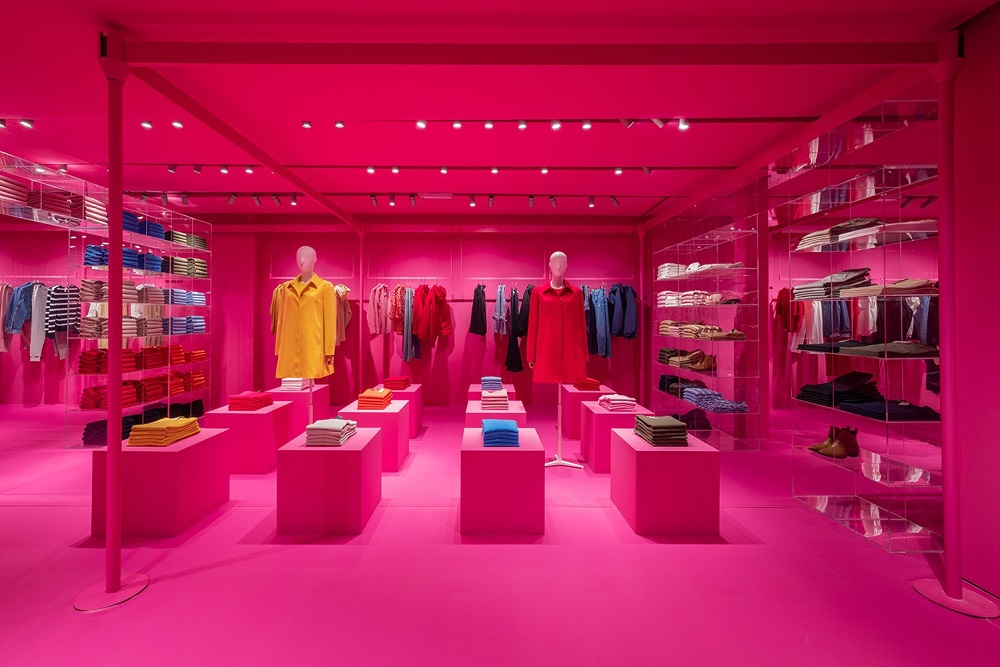
Lighting Architecture: Lighting sets the emotional tone of a space. Warm, dim lighting can evoke intimacy, heritage, and luxury, prompting shoppers to slow their pace. Conversely, crisp, bright illumination communicates modernism, clarity, and energy.
-
Spatial Geometry and Flow: The physical journey through a boutique is a visual narrative sequence. High-end boutiques often adopt minimalist layouts with ample negative space around products. This visual breathing room communicates that each item is a curated artifact rather than mere commodity stock.
-
Color Psychology: Color palettes establish mood instantly. Earthy tones suggest sustainability and organic origins, while deep jewel tones convey craftsmanship, prestige, and exclusivity.
Auditory Environments: Establishing Pace and Mood
Acoustic design is a subtle yet powerful lever in retail environments. Sound dictates the temporal flow of the shopping experience, directly influencing how long a visitor remains in the space and how they perceive product value.
-
Curated Playlists: The music played in a boutique must mirror the lifestyle and values of its target demographic. An indie apparel shop might play mid-century vinyl jazz to communicate timeless style, while an artisan wellness studio might opt for low-frequency ambient sounds to induce calm.
-
Acoustic Dampening: High-end boutiques often incorporate soft materials, plush carpeting, or acoustic paneling to absorb excess noise. This creates a hushed, contemplative atmosphere where conversations feel private and browsing feels unhurried.
Olfactory Branding: The Direct Pathway to Memory
The human sense of smell is uniquely connected to the limbic system, the region of the brain responsible for memory and emotion. Olfactory cues can trigger deep emotional responses and form lasting associations far faster than sight or sound.
-
Signature Scents: Leading boutique retailers design proprietary ambient fragrances that serve as olfactory logos. A leather goods boutique might diffuse notes of smoked cedar, amber, and aged hide to reinforce the authenticity of its materials.
-
Subtle Integration: Successful scent design requires precision. Overpowering scents create physical discomfort, whereas a light, ambient aroma creates a welcoming atmosphere that subtly lingers in the customer’s memory long after they exit the building.
Tactile Connections: Reclaiming the Physical Dimension
The inability to physically handle products remains the primary limitation of e-commerce. Boutique retailers leverage touch as a primary differentiator, encouraging visitors to interact directly with materials.
-
Material Authenticity: The physical weight, texture, and temperature of materials tell an immediate story of quality. Natural woods, heavy brass hardware, uncoated paper packaging, and heavyweight textiles convey durability and artisanal care.
-
Interactive Merchandising: Unwrapped samples, open display tables, and tactile touchpoints invite customers to test, feel, and inspect items freely, building a sense of psychological ownership before a purchase is even considered.
Taste and Hospitality: Completing the Immersive Experience
While taste is not applicable to every retail vertical, integrating small culinary touchpoints can turn a routine shopping trip into a memorable event.
-
Complimentary Refreshments: Offering a guest a cup of single-origin pour-over coffee, locally brewed herbal tea, or a glass of sparkling water transforms the commercial relationship into a hospitality experience.
-
Contextual Pairing: Specialty boutiques often collaborate with local food artisans to offer tasting pairings during product launches, deepening the sense of community connection and local culture.
The Neurological and Emotional Impact on Consumer Behavior
Sensory storytelling is not merely an aesthetic choice; it is grounded in cognitive psychology and consumer neuroscience. When multiple sensory channels are stimulated concurrently in a harmonious manner, the brain experiences a phenomenon known as cross-modal congruence.
Cross-modal congruence occurs when what a person sees, hears, smells, and touches all tell the exact same story. When sensory inputs align smoothly, mental processing friction drops. The customer feels comfortable, relaxed, and deeply engaged. This state of cognitive ease yields several direct commercial benefits:
-
Increased Dwell Time: Shoppers naturally linger longer in environments that nourish their senses and minimize environmental stress.
-
Enhanced Value Perception: Customers consistently evaluate products as higher in quality and worth a higher price point when presented within a premium, thoughtfully sensory-designed environment.
-
Elevated Brand Recall: Multi-sensory memories are far more durable than mono-sensory or digital memories. A customer may forget an advertisement seen online, but they rarely forget the distinct feel and scent of a uniquely designed boutique.
Strategic Steps to Implement Sensory Design
For boutique owners looking to transform their retail floor into a multi-sensory story, execution requires deliberate planning rather than random addition of decorative elements.
Conduct a Sensory Audit
Walk through the store with a fresh perspective, evaluating every sensory touchpoint:
-
What is the first smell upon opening the door?
-
Are there harsh glare spots caused by direct lighting?
-
Does the music match the brand identity, or is it a random radio station?
-
Is there anywhere comfortable for a customer to sit or touch materials?
Eliminate Sensory Discord
Sensory storytelling fails when elements contradict one another. A high-end organic skincare boutique featuring relaxing botanical scents will confuse customers if the background background audio is loud pop music or the overhead lights are harsh fluorescent tubes. Every sensory detail must serve the primary core narrative.
Prioritize Subtlety and Balance
Sensory overload is the fastest way to drive a customer out the door. The goal is never to overwhelm the senses, but to create a harmonious background environment that feels natural, intuitive, and welcoming.
Frequently Asked Questions
How does sensory storytelling differ between luxury boutiques and affordable specialty shops?
Luxury boutiques often focus on restraint, negative space, quiet acoustics, and subtle custom scents to create an atmosphere of exclusivity and calm. Affordable specialty shops tend to use higher lighting levels, more vibrant visual displays, and energetic playlists to foster an accessible, high-energy environment. Both use sensory storytelling, but tune their inputs to reflect their distinct price positioning.
Can online brands effectively incorporate sensory elements into physical pop-up stores?
Yes. Digital-native brands frequently use physical pop-up stores specifically to provide the sensory elements that their websites lack. By introducing physical textures, custom ambient lighting, signature scents, and curated music, online brands can create deep real-world connections that significantly lower future customer acquisition costs online.
How do boutique retailers measure the financial return on investment for sensory design?
Retailers measure return on investment by tracking key performance indicators such as average dwell time, customer conversion rates, repeat foot traffic, and sales per square foot. Additionally, improvements in brand sentiment, social media mentions, and qualitative customer feedback provide clear indicators of successful sensory engagement.
What is the most common mistake small retailers make when designing sensory experiences?
The most frequent mistake is sensory overload, particularly regarding fragrance and sound volume. When scents are too strong or music is too loud, it triggers sensory fatigue and causes customers to leave the store prematurely. Subtlety and balance are essential for long-term comfort.
How can a boutique with a limited budget begin implementing sensory storytelling?
A small boutique can start with low-cost, high-impact changes: curating a custom playlist on high-quality speakers, replacing harsh white lighting with warm-toned LED bulbs, keeping product displays clutter-free to create visual focus, and using a high-quality ambient diffuser with a consistent natural fragrance.
Does sensory storytelling apply to non-apparel retail like bookstores or homeware shops?
Sensory storytelling applies to virtually all retail categories. Bookstores rely heavily on the tactile feel of paper, comfortable seating areas, the aroma of fresh coffee or aged paper, and quiet ambient soundscapes. Homeware stores build lifestyle narratives by creating warm, room-like displays where customers can touch fabrics, feel ceramic cookware, and experience ambient lighting that mirrors a home setting.