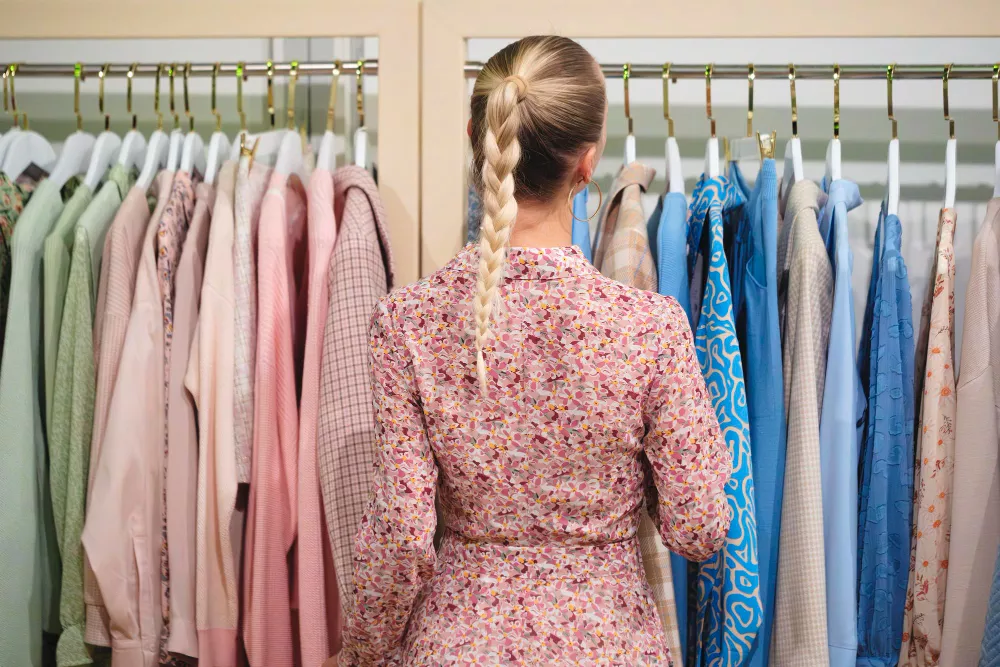

Most people have experienced standing in front of a closet full of clothes and feeling like they have nothing to wear. This common frustration rarely comes from a lack of items. Instead, it stems from owning a high volume of garments that lack structural integrity, proper fit, and longevity. Fast fashion has normalized buying inexpensive, mass-produced clothing, leading consumers to accumulate full closets filled with garments that lose their shape after a single wash.
Shift your focus toward quality apparel, and the dynamic of dressing changes entirely. Well-made garments alter not only the appearance of an outfit, but also your mindset, morning routine, and long-term spending habits. Understanding how high-quality clothing transforms your personal style reveals why investing in superior garments is one of the most practical upgrades you can make to your everyday life.
The Superior Fit and Fabric Construction
The fundamental difference between cheap clothing and quality apparel lies in the raw materials and construction techniques. Mass-market brands frequently use short-staple cotton, low-density polyester, or thin synthetic blends that compromise durability to reduce production costs. High-end manufacturers prioritize long-staple natural fibers like Egyptian cotton, merino wool, raw silk, and heavyweight linen.
High-grade fabrics hang naturally along the contours of the body without clinging or twisting. Natural fibers possess intrinsic elasticity and breathability that synthetic counterparts struggle to replicate. Long-staple cotton fibers, for instance, create smoother, stronger yarns that resist pilling and retain their structure over years of wear.
In addition to superior materials, quality apparel relies on precise tailoring techniques, including:
-
Reinforced Seams: Double-stitched seams and French seams prevent fraying and maintain the garment structure under tension.
-
Pattern Alignment: High-end shirts and jackets feature patterns that match seamlessly across pocket folds, plackets, and side seams.
-
Thoughtful Seam Allowances: Quality garments leave generous extra fabric inside the seams, allowing a tailor to alter the piece for a personalized fit.
-
Durable Hardware: Heavy-duty brass zippers, horn buttons, and reinforced buttonholes ensure essential components do not break or pull away.
When you put on a garment made with these standards, it drapes properly from the shoulders and waist. The fabric moves with your body rather than resisting it, eliminating the constant need to pull down hem lines or adjust twisting seams throughout the day.
Eliminating Decision Fatigue in Your Morning Routine
Decision fatigue occurs when the quality of choices degrades after a long session of decision-making. Starting your morning by wading through ill-fitting, uncomfortable, or damaged clothing creates unnecessary mental friction before your day even begins.
Quality apparel simplifies your morning routine through effortless coordination. Superior garments feature refined cuts, neutral colorways, and timeless silhouettes that integrate naturally with one another. When every item in your wardrobe fits well and feels comfortable, choosing an outfit becomes a streamlined process rather than a stressful event.
A streamlined closet allows you to build a cohesive collection where garments mix and match with minimal effort. Instead of trying on five different shirts to find one that lays correctly under a jacket, a high-quality oxford shirt fits predictably every single time. This consistency returns valuable mental energy and time to your morning.
The Psychological Boost of Wearing Well-Made Clothes
Clothing serves as a psychological tool that directly influences your posture, mood, and confidence levels. Social scientists refer to this phenomenon as encloded cognition, which describes the systematic influence that clothes have on the wearer’s psychological processes.
When you wear a garment that feels flimsy, scratchy, or ill-fitting, you remain subtly aware of that discomfort throughout the day. You might adjust your collar repeatedly, tug at your waistband, or feel self-conscious during important meetings. Quality apparel removes these physical distractions.
Well-tailored clothes provide concrete psychological benefits:
-
Enhanced Posture: Structured jackets and properly proportioned trousers encourage better spinal alignment and natural movement.
-
Increased Self-Assurance: Knowing your clothing looks clean, sharp, and intentional eliminates subconscious worry about your appearance.
-
Perceived Professionalism: High-grade textiles reflect light differently than cheap synthetics, giving outfits a rich, polished texture that projects competence and attention to detail.
Dressing well is not about vanity or showing off expensive brand logos. It is about creating a reliable framework that lets you focus entirely on your work, social interactions, and daily activities without physical or aesthetic distractions.
Long-Term Financial Value and Cost Per Wear
The initial price tag on high-quality apparel can cause initial hesitation, but evaluating clothing through the metric of cost per wear reveals the true economy of buying better items.
Consider a comparison between two different purchasing approaches:
Inexpensive garments often degrade rapidly after three to five wash cycles. Collars warp, seams twist, fabric thins out, and colors fade into washed-out shades. Consequently, cheap clothing must be replaced constantly, leading to a recurring financial drain that builds up over time.
Quality garments are engineered to withstand repeated wear and laundering. Premium raw denim breaks in and shapes to your body over time, high-grade leather develops a rich patina, and sturdy wool coats retain their warmth and structure across decades. Investing in well-made garments lowers your long-term clothing expense while keeping higher-value assets in your closet.
Transitioning Toward a Sustainable Capsule Wardrobe
Beyond personal comfort and financial savings, buying quality apparel fundamentally shifts your relationship with consumption. The global textile industry generates massive waste through the production and disposal of short-lived fast fashion items. Choosing durable, timeless clothing reduces your personal environmental footprint.
Adopting a quality-first mindset leads naturally toward a capsule wardrobe—a curated collection of versatile items that can be combined in numerous configurations.
To build an effective capsule wardrobe, focus on core foundation pieces:
-
Tailored Outerwear: A classic trench coat, wool topcoat, or unstructured blazer in navy, charcoal, or camel.
-
Premium Knitwear: Medium-weight merino wool or cashmere sweaters that layer easily over collared shirts.
-
Versatile Footwear: Goodyear-welted leather shoes or boots that can be resoled by a cobbler when the tread wears down.
-
Structured Trousers and Denim: Selvedge denim jeans and tailored cotton chynos with moderate leg openings.
-
Durable Base Layers: Heavyweight organic cotton t-shirts and woven button-down shirts with sturdy collars.
By prioritizing quality over sheer quantity, your closet becomes less cluttered and far more functional. You stop buying temporary trends that end up in landfills six months later and start collecting enduring pieces that retain their functional and visual appeal year after year.
Frequently Asked Questions
How can I identify high-quality clothing when shopping in a store?
Check the garment labels for natural fibers like wool, silk, linen, or long-staple cotton. Inspect the interior seams to ensure they are neatly finished without loose threads. Tug gently on buttons to check if they are firmly anchored, and check if the fabric has sufficient density and weight.
Is expensive clothing always guaranteed to be high quality?
No. High price tags sometimes reflect marketing budgets, celebrity endorsements, or designer branding rather than superior materials. Always evaluate garments based on fabric composition, stitching detail, structural integrity, and country of manufacture rather than the logo on the tag.
What is the best way to care for quality apparel so it lasts longer?
Follow garment care instructions closely. Wash items in cold water on gentle cycles, avoid harsh chemical detergents, and air-dry garments whenever possible. Use padded or wooden hangers for coats and jackets, and store knits folded on shelves to prevent the fabric from stretching out.
How do I transition to a quality wardrobe on a limited budget?
Start slow by upgrading one foundational item at a time, such as a daily winter coat or a pair of leather boots. You can also explore second-hand platforms, vintage shops, and estate sales, where pre-owned high-end garments are often sold at a small fraction of their original retail price.
Does quality clothing require professional tailoring?
While well-made clothes are proportioned better out of the box, simple off-the-rack sizing rarely fits every unique body shape perfectly. Investing a small amount in minor adjustments—such as hemming trousers or taking in jacket waists—ensures your quality garments fit impeccably.
What are the main signs that a garment is made poorly?
Common indicators of low quality include exposed single-stitched seams, thin synthetic fabrics that feel scratchy, misaligned patterns across seams, flimsy plastic hardware, and uneven hem lines that pull sideways when worn.
Why do natural fibers perform better than synthetic fabrics?
Natural fibers like wool and cotton possess inherent moisture-wicking properties, breathability, and thermal regulation that synthetics struggle to match. They allow body heat to dissipate naturally, resist odor-causing bacteria better, and hold their structural integrity through repeated wear.